Types of Lumber Explained: Hardwood vs. Softwood vs. Engineered
Buying lumber is easier when you know what the labels mean. A board may look strong, but that does not always mean it belongs in a frame, cabinet, deck, shelf, or beam. Each material has a purpose, and choosing the wrong one can affect cost, appearance, strength, and how long the finished project holds up.
The main types of lumber are hardwood, softwood, and engineered wood. These groups are based on where the wood comes from, how it is produced, and how it is commonly used. Some are better for visible finish work. Others are used for framing, panels, long spans, or structural support.
This guide explains the difference between hardwood lumber, softwood lumber, and engineered wood lumber in plain terms so you can make a better choice before buying materials.
Hardwood Lumber
Hardwood lumber is often used when the wood will be seen, touched, stained, or finished. It is common in cabinets, furniture, trim, stair parts, shelving, flooring, and built-ins.
Many hardwoods have grain patterns that work well for finish carpentry. Oak has a visible grain and is often used for cabinets and furniture. Maple has a tighter grain and is common in painted or clear-finished projects. Walnut and cherry are usually chosen for their color and appearance. Poplar is often used when the final piece will be painted.
The main value of hardwood lumber lies in its surface quality. It can be shaped, sanded, stained, or sealed for a finished look. It also performs well in areas that receive regular contact, such as stair treads, tabletops, handrails, and cabinet faces.
There are tradeoffs. Hardwood usually costs more than softwood. Some species are heavy and harder to cut. Others can move with humidity changes if they are not stored, installed, or finished correctly. For outdoor use, the species and protective finish matter. A hardwood board is not automatically weather-resistant.
Hardwood is a good fit when appearance, touch, and wear are important. It is usually not the first choice for basic framing or covered structural work.
Softwood Lumber
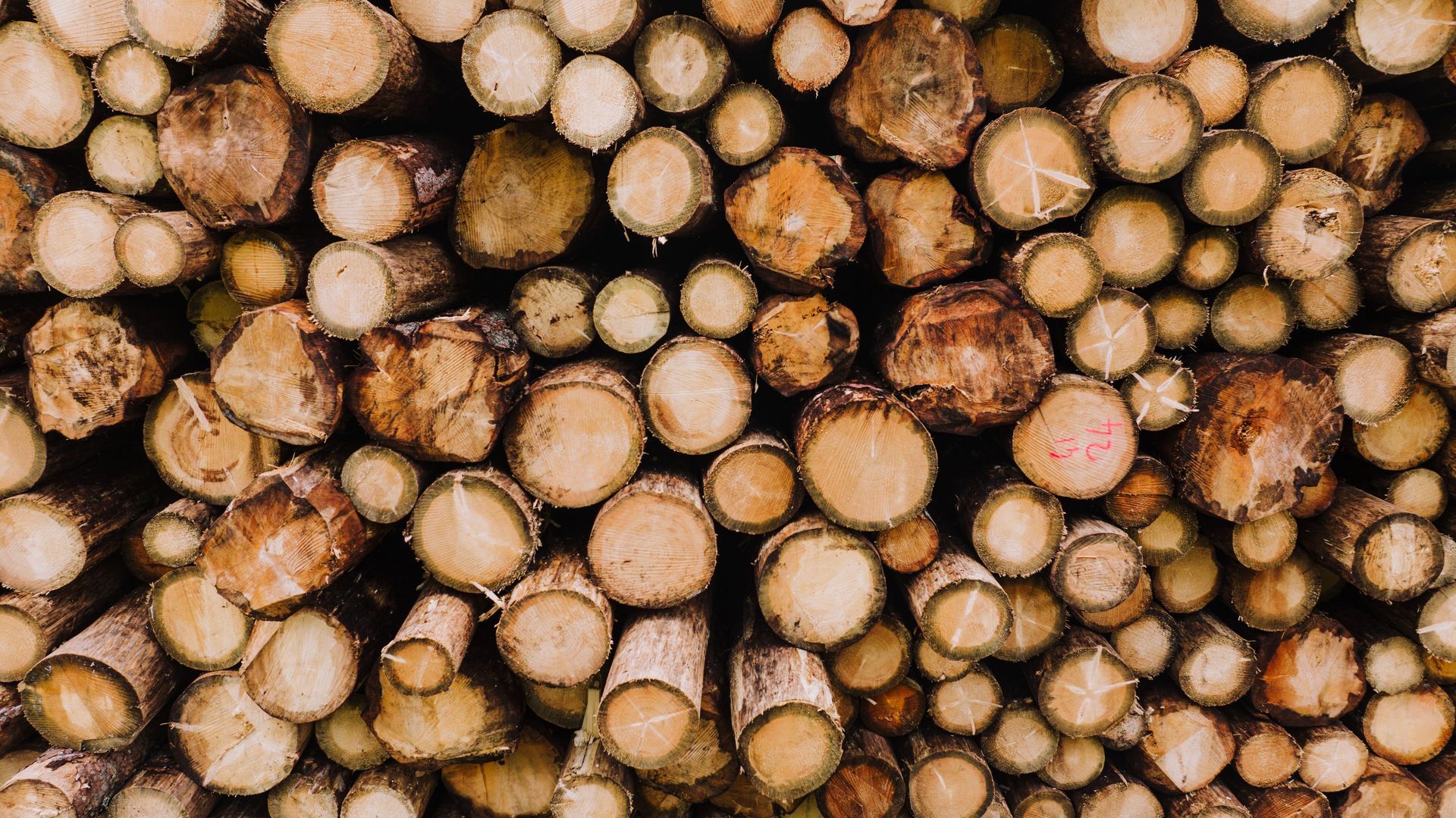
Softwood lumber comes from conifer trees. These trees usually have needles and cones. Common examples include pine, spruce, fir, cedar, redwood, and Douglas fir.
Softwood is widely used in construction because it is available in standard sizes, easy to cut, and suitable for many building needs. It is common in wall framing, rafters, joists, roof work, fencing, sheathing support, outdoor structures, and general repairs.
The word softwood can be confusing. It does not always mean the board is weak. Douglas fir is a softwood, but it is used in many structural applications because it has good strength and stiffness. Cedar is also a softwood, but it is often used outdoors because it resists moisture and insects better than many other species.
Softwood is usually the practical choice for framing and large-scale material needs. It is often less expensive than hardwood and easier to source in construction lengths. When it is exposed to weather or ground contact, treatment, species, and installation details matter.
Softwood Lumber vs Hardwood
The main difference comes from the tree type.Hardwood comes from broadleaf trees. Softwood comes from conifers. However, that does not explain which one is stronger, heavier, or better for the project.
| Catergory | Hardwood Lumber | Softwood Lumber |
|---|---|---|
| Tree source | Broadleaf trees | Conifer trees |
| Common species | Oak, maple, walnut, cherry, ash | Pine, fir, spruce, cedar, redwood |
| Common uses | Cabinets, furniture, trim, flooring | Framing, fencing, decking, general construction |
| Workability | Depends on species, often denser | Usually easier to cut and fasten |
| Appearance | Often selected for grain and finish | Often selected for structure and availability |
| Cost | Usually higher | Usually lower |
For visible work, hardwood may be the better fit. For framing, softwood is usually the standard choice. For exterior projects, the answer depends on weather exposure, treatment, fasteners, maintenance, and local building requirements.
The best way to compare these types of lumber is to start with the job at hand. A cabinet face, deck frame, wall stud, stair tread, and support beam all have different needs.
Engineered Wood Lumber
Engineered wood lumber is made from wood materials that are bonded together under controlled conditions. The goal is to create a product with predictable strength, size, and performance.
Common engineered products include plywood, OSB, laminated veneer lumber, I joists, glulam beams, laminated strand lumber, MDF, and particleboard. Some are used for structural work. Others are used for cabinets, panels, furniture parts, or underlayment.
Plywood is made from thin layers of wood veneer. The layers are bonded in alternating directions, which helps the sheet resist movement and splitting. OSB is made from wood strands arranged and bonded into panels. Both are common in wall, roof, and floor sheathing.
Laminated veneer lumber (LVL) is used for headers, beams, and other structural applications. I-joists are common in floor systems because they can span long distances with less weight than many solid wood options. Glulam beams are made from layers of lumber bonded together and are used where strength and longer spans are needed.
Engineered wood lumber is often chosen when a project needs consistency. Solid sawn lumber can have knots, grain changes, checks, and other natural variations. Engineered products are manufactured to meet specific standards, making planning and installation easier.
This does not mean engineered wood belongs everywhere. It must be used in accordance with product ratings, span tables, installation instructions, and code requirements. Moisture exposure also matters. Some engineered products are designed for dry indoor use, while others can withstand certain construction conditions when installed correctly.
Choosing the Right Lumber for the Job
The right lumber depends on what the material needs to do.
For finishing work, hardwood lumber often makes sense. It gives cabinets, shelves, stairs, and furniture a surface that can be shaped and finished with care.
For framing and general construction, softwood lumber is usually the common choice. It is available in framing sizes, works well with standard fasteners, and fits many structural applications when properly graded and installed.
For beams, subfloors, sheathing, long spans, and planned structural systems, engineered wood lumber may be the better fit. It offers consistency and can solve problems that solid boards may not handle as well.
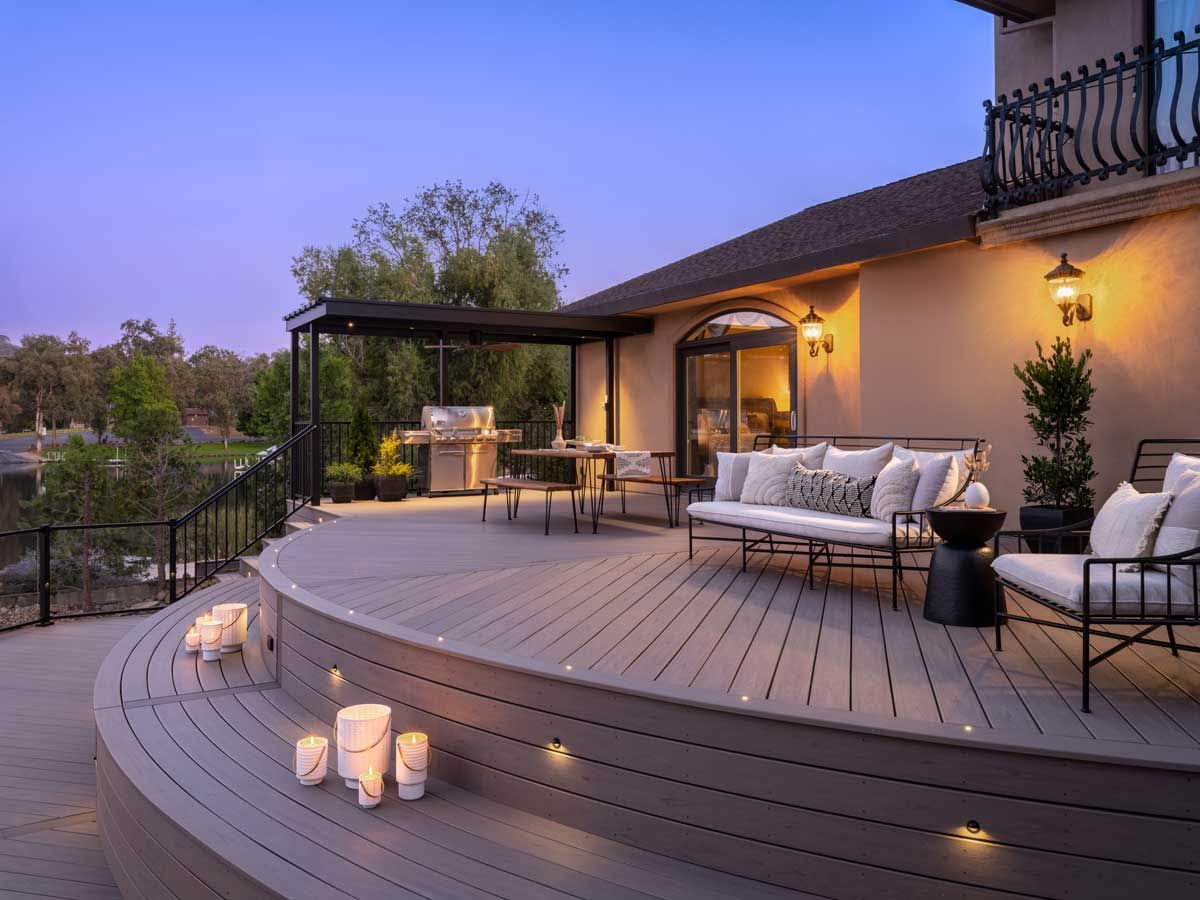
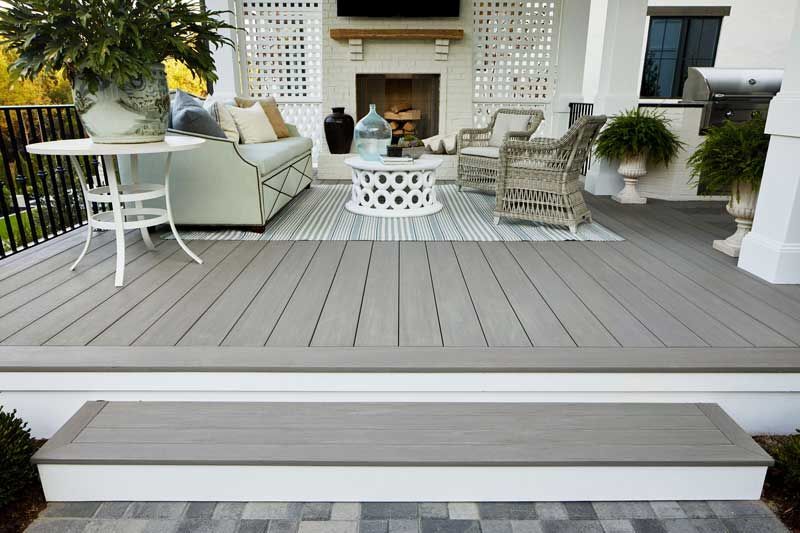
Moisture should always be part of the decision. Outdoor projects may require pressure-treated lumber, cedar, redwood, or products rated for exposure. Indoor projects may focus more on appearance, stability, and finish.
Cost also matters, but the lowest price does not always lead to the best result. A cheaper board may require more sorting, more maintenance, or replacement sooner than expected. A better match can save time during installation and reduce problems later.
Common Mistakes to Avoid
One common mistake is choosing lumber solely by appearance. A board that looks clean may not be rated for the use you intend. For framing, beams, joists, and other load-bearing work, grade and span matter.
Another mistake is using indoor material outside. Moisture, sun, snow, and temperature changes can quickly affect wood. Outdoor lumber needs the right species, treatment, coating, or rating.
Some buyers also overlook fasteners. Treated lumber and exterior projects often require compatible screws, nails, hangers, and connectors. The wrong fastener can corrode or stain the wood.
Storage is another factor. Lumber should be kept flat, dry, and supported until use. Even good material can twist or cup when stored poorly.
Talk to Budget Home Supply About Lumber Options
Understanding the main types of lumber makes it easier to choose material that fits the project. Hardwood lumber is often used for visible finish work. Softwood lumber is common in framing and general construction. Engineered wood lumber is useful when strength, consistency, or long spans are required.
If you need help comparing lumber supplies, building supplies, or project materials, contact Budget Home Supply or visit their Longmont location. Their team can help you review options and choose lumber that matches the job, budget, and conditions.