How to Choose the Right Lumber for Your Project
Learning how to choose lumber is one of the most practical skills for anyone planning a construction, renovation, or DIY project. The type of wood you select affects strength, appearance, cost, and the lifespan of your structure. A small mistake in material selection can lead to warping, weak framing, or early replacement, which is why understanding how to choose lumber for construction matters from the start.
This guide breaks down what lumber is, how it is used, the main types available, and how to select the right option for indoor and outdoor projects. It also explains where to buy lumber and how to treat it so it performs well in different conditions.
What is Lumber
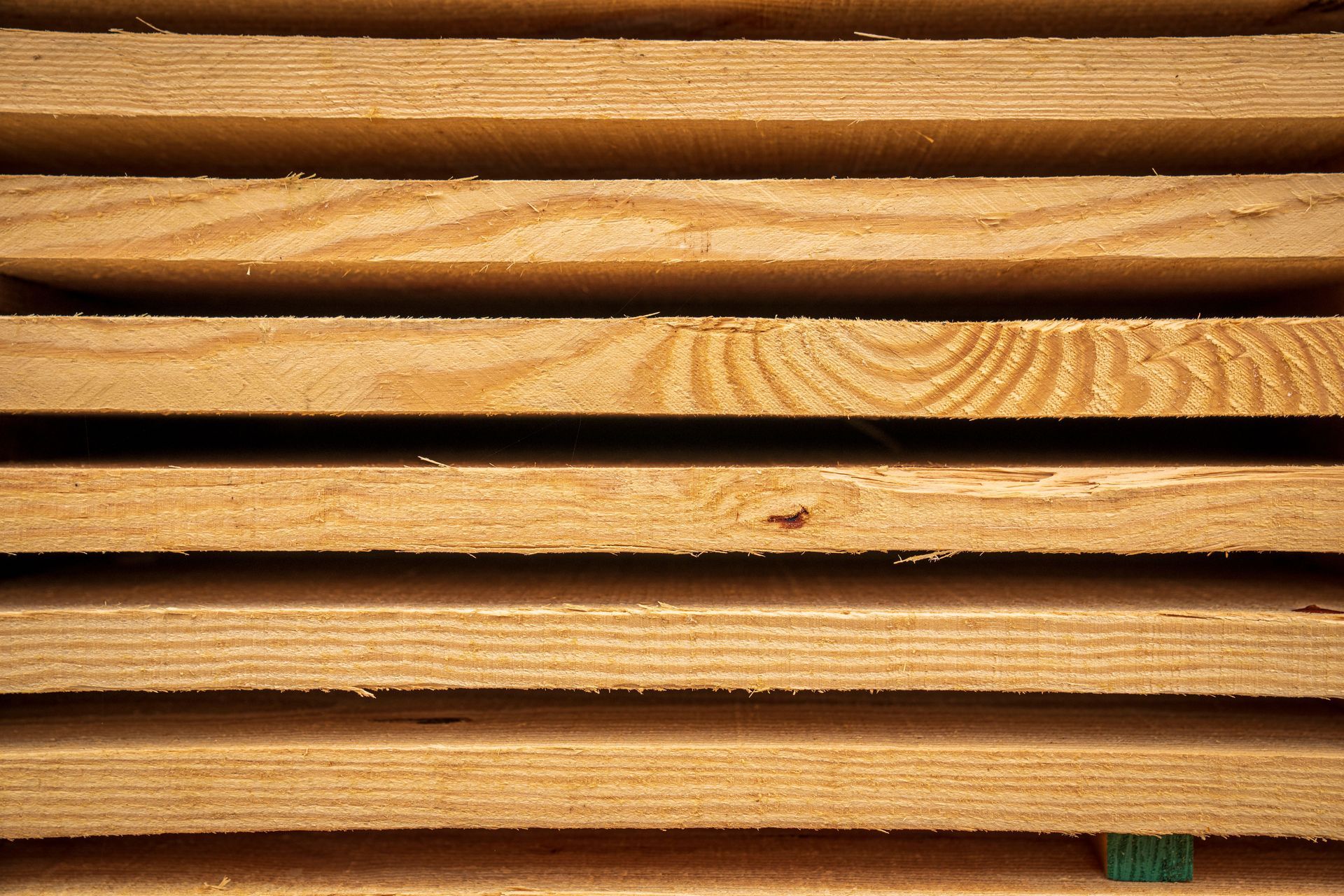
Lumber is wood that has been processed into boards, planks, or beams used in construction and manufacturing. It comes from harvested trees that are cut, dried, and prepared into usable sizes for building purposes.
Softwoods like pine, fir, and spruce are commonly used in structural framing because they are affordable and easy to work with. Hardwoods like oak, maple, and cherry are denser and used for furniture, flooring, and detailed finishes where appearance and durability matter more.
Lumber is graded based on quality, strength, and visible imperfections. Higher-grade lumber has fewer knots and a straighter structure, making it better for visible or load-bearing applications. Lower-grade lumber is often used in hidden structural areas where appearance is less important.
Types of Lumber
Each type serves a different purpose based on its strength, durability, and intended use.
Softwood Lumber
Softwood lumber comes from conifer trees such as pine and spruce. It is widely used in framing, construction, and general building work because it is easy to cut, shape, and install.
Hardwood Lumber
Hardwood lumber comes from trees like oak, maple, and walnut. It is stronger and more durable, making it ideal for furniture, flooring, and decorative applications.
Engineered Lumber
Engineered lumber includes products like plywood, LVL beams, and OSB boards. These materials are designed for strength and stability, especially in modern construction, where consistency is important.
Understanding the types of lumber ensures you choose the right material for both strength and appearance.
Uses of Lumber
The uses of lumber are wide-ranging across residential and commercial construction. It remains one of the most versatile building materials available today.
Common uses include:
- Framing walls and structural systems
- Roof beams and support structures
- Flooring and subfloor installations
- Furniture and cabinetry construction
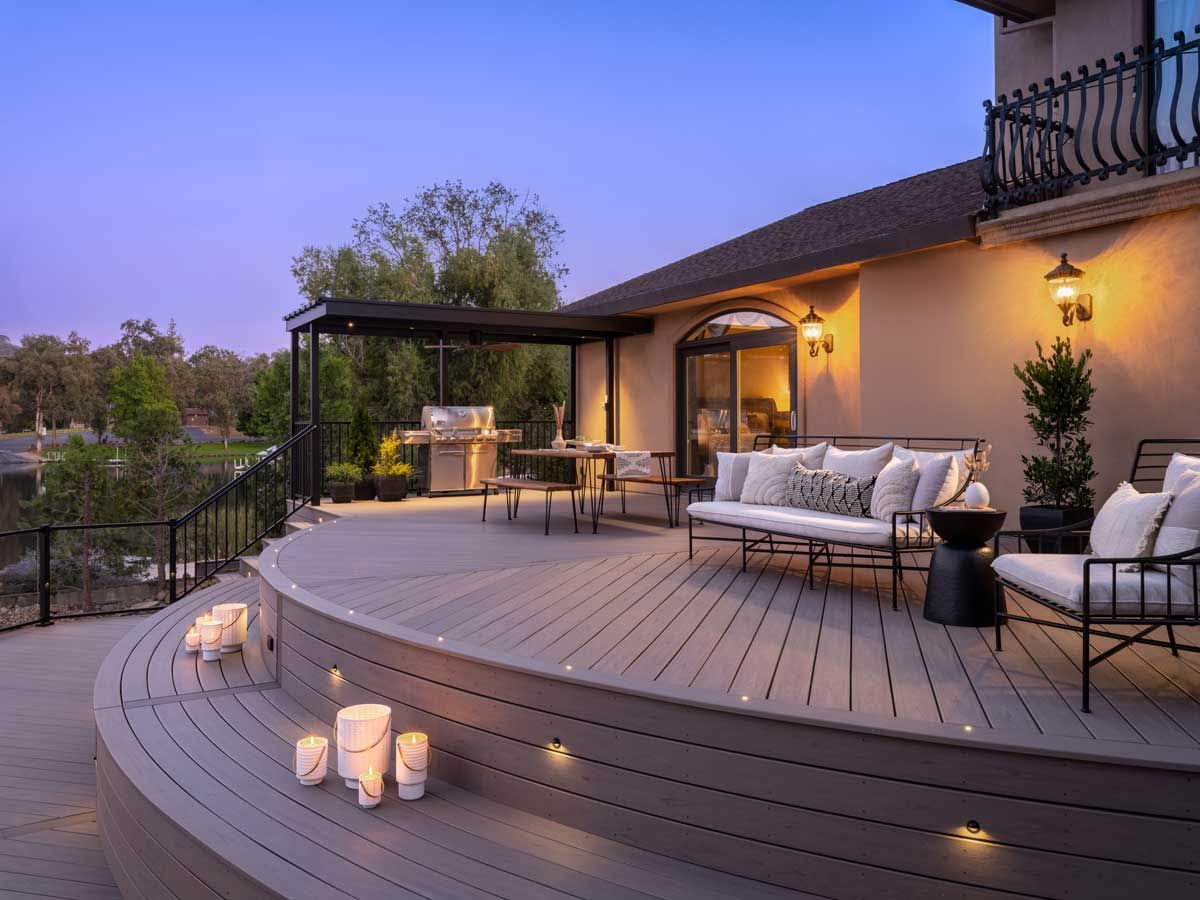
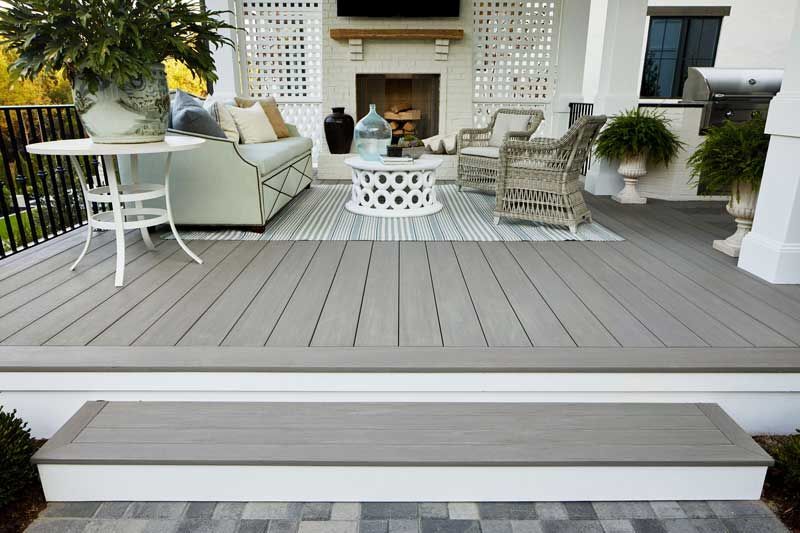
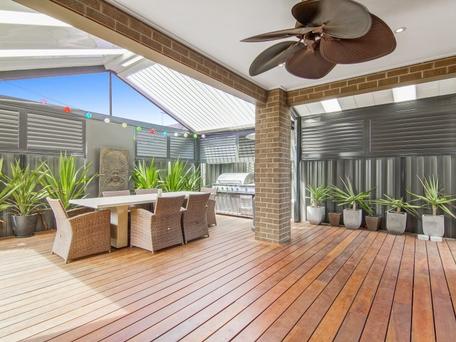
- Outdoor decks, fences, and patios
- Interior trim and finishing work
- Temporary construction supports
Each use requires selecting the right grade and type of lumber to ensure safety, strength, and durability. Choosing the wrong type can lead to structural issues or unnecessary maintenance.
How to Choose Lumber for Construction
Understanding how to select lumber for construction is essential to building safe, durable structures. Construction lumber must meet strength requirements while also being stable enough to withstand long-term pressure and environmental changes.
When selecting lumber for construction projects, consider the following:
Straightness and Shape
Boards should be straight with minimal bending or twisting. Warped lumber can cause alignment problems during installation.
Moisture Content
Wood with too much moisture can shrink or warp after installation. Dry lumber is more stable and reliable for framing.
Knots and Defects
Fewer knots usually mean stronger wood. Large knots can weaken structural integrity in load-bearing areas.
Grading Stamps
Lumber grades indicate quality and intended use. Higher grades are used for visible or structural applications.
Taking time to inspect these factors ensures better performance and reduces long-term repair costs.
How to Treat Lumber for Outdoor Use
Outdoor environments expose wood to rain, sunlight, and temperature changes, making treatment essential. Knowing how to treat lumber for outdoor use helps extend its lifespan and prevent damage.
Without treatment, lumber can rot, crack, or become damaged by insects over time. Proper treatment protects the wood and maintains its strength.
Common treatment methods include:
Pressure Treated Lumber
Chemically treated wood is designed to resist moisture, rot, and insects. Commonly used for decks, fences, and outdoor structures.
Wood Sealers
Clear coatings that help prevent water absorption and reduce swelling or warping.
Stains
Improve appearance while adding UV protection against sun damage.
Paint Coatings
Provide a protective barrier that helps extend durability in harsh environments.
Regular maintenance is also important. Reapplying sealants or stains over time helps preserve outdoor lumber.
Where to Buy Lumber
Knowing where to buy lumber is just as important as knowing how to choose it. Quality materials from a reliable supplier help ensure consistent results and reduce construction problems.
Budget Home Supply offers a wide range of lumber and construction materials for homeowners, contractors, and builders. Whether you are working on framing, remodeling, or outdoor construction, having access to dependable materials helps your project run smoothly.
Choosing the Right Lumber for Better Results
Understanding how to choose lumber correctly helps ensure your project is strong, efficient, and long-lasting. Each decision, from selecting wood type to checking moisture levels, affects overall performance.
Good planning reduces waste, improves safety, and ensures that your finished project meets expectations. Whether you are working on a small DIY build or a large construction job, selecting the right lumber is a key step to success.
Contact Budget Home Supply
Budget Home Supply provides reliable lumber and building materials for all types of construction projects. From basic framing lumber to specialty supplies, customers can find what they need for residential and commercial work.
For help selecting the right materials or understanding how to choose lumber for construction, contact Budget Home Supply or visit our lumber yard in Longmont, and get guidance from a knowledgeable team ready to assist with your project needs.