Choosing Railings & Lighting for Outdoor Decks
A great deck is more than boards and fasteners. The details you touch every day matter just as much, especially railings and lighting. Railings protect children, guests, and pets, and also set the tone for the entire space. Lighting makes the deck usable after sunset, improves stair safety, and creates a welcoming atmosphere for evening dinners.
At Budget Home Supply, we help homeowners and pros across Northern Colorado plan deck projects that look right and function well for years. If you’re choosing deck railing for a new build or replacing dated rails, and you’re also wondering how to choose outdoor lighting for deck spaces, this guide walks you through the decisions that make the biggest difference.
Start With Safety and Code Basics
Before you fall in love with a railing style or pick out warm string lights, begin with the requirements. The best-looking deck must still be safe, comfortable, and compliant with local regulations.
When is a railing required on a deck?
If your deck is elevated, a railing is typically required once the walking surface is above a certain height above grade. Many areas use the 30-inch rule as a baseline, but local codes can vary by city and county.
Because code requirements change and enforcement can differ, treat this as a planning checkpoint. If you’re not sure when a railing is required on a deck, bring your deck height and layout details to our team. We can help you think through common code expectations and point you toward materials that fit your plan.
What your railing needs to do, beyond code
A railing is a safety system. That means it should:
- Feel solid when you lean on it
- Stay sturdy through freeze and thaw cycles
- Resist rot, corrosion, and UV wear
- Keep openings small enough for child safety
- Match the traffic patterns of your deck, especially around stairs and entries
If you host frequently, keep sightlines in mind as well. A tall privacy look may be perfect for a hot tub corner, while a more open style works better for mountain views.
Choosing Deck Railing Materials That Fit Your Lifestyle
There is no single “best” railing. The right pick depends on maintenance, weather exposure, budget, and style.
Wood railing
Wood railings can match wood decking beautifully and are easy to customize. They also make sense if you enjoy hands-on upkeep.
Pros
- Easy to cut, drill, and modify
- Flexible design options
- Often cost-friendly upfront
Considerations
- Requires staining, painting, or sealing over time
- Can splinter and weather without care
- Fasteners and connectors should be selected for outdoor use
Composite railing
Composite rail systems offer a cleaner look with less upkeep. Many homeowners like composite because it holds its appearance with simple cleaning.
Pros
- Low maintenance
- Consistent color and finish
- Coordinates well with composite decking
Considerations
- Can be more expensive than wood
- Color options are fixed, so plan carefully before purchase
- Heat and sun exposure can affect surface temperature, especially on darker tones
Metal railing: aluminum and steel
Metal railings are popular for modern designs and for homeowners who want open sightlines.
Pros
- Strong and stable
- Great for view-friendly layouts
- Typically low maintenance
Considerations
- Coastal corrosion is less of a concern in Northern Colorado, but moisture still matters
- Powder-coated finishes hold up well, but scratches should be touched up
- Some systems require precise layout and level lines for best results
Cable railing and glass panels
These options can look amazing, especially when you want a nearly unobstructed view.
Pros
- Excellent sightlines
- Clean, contemporary feel
- Works well with metal posts and modern decking
Considerations
- Cable tensioning and spacing need to be done correctly
- Cleaning needs go up, especially for glass
- Some jurisdictions have additional rules for climbability and spacing
How to Choose Deck Railing Color Without Regrets
Color choice seems simple until the railing is installed and you realize it clashes with your siding or makes the deck feel smaller than expected. If you’re searching for how to choose deck railing color, use these practical checks.
Match undertones, not just “light vs dark”
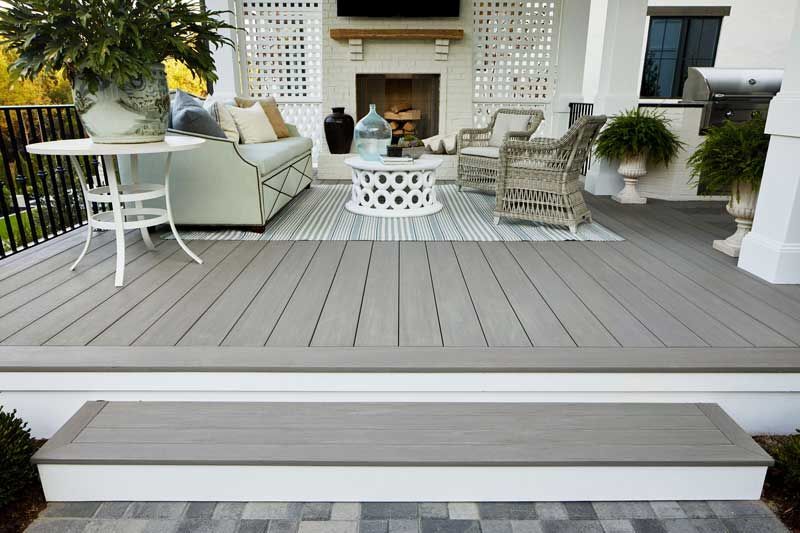
Consider the undertones in your decking and home exterior. A warm cedar-toned deck often looks best with warm neutrals, bronze metals, or wood stains with similar warmth. Cooler gray composite boards pair better with black, charcoal, or crisp white rails.
Consider heat, dirt, and snow
- Dark colors show less pollen and dust, but they can appear hotter in direct sunlight.
- White looks classic but can show grime and splash marks.
- In winter, a medium tone can hide slush lines better than pure white.
Use a railing to define zones
If your deck has multiple areas, you can use color intentionally. For example, black metal rails can frame a dining section, while a coordinating privacy screen can separate a grill area. The key is consistency, not a random mix of finishes.
How to Put Railing on a Deck: Planning the Layout
People often ask how to install a deck railing because the details can feel intimidating: post spacing, corner bracing, stair transitions, and proper fasteners. The best results start with clear planning.
Get the post layout right
Posts carry the load. Your railing system is only as strong as the post attachment method. A few tips that help most projects:
- Map out corners, stairs, and gate locations first
- Keep spacing consistent for a clean look
- Plan for any lighting wiring that will run through posts or under top rails
- Use hardware rated for exterior and treated lumber contact when needed
Decide what you want the railing to hide or reveal
If you want a cleaner look, consider options that minimize visible fasteners or hide brackets. If you want a classic feel, traditional pickets can complement older homes and rustic backyards.
How to Build a Deck Railing: DIY-Friendly Guidance
If you’re researching how to build a deck railing, you’re likely balancing safety, tools, and time. Many homeowners can handle railing installation with the right system and a careful approach, but it is important to respect structural connections.
Common DIY steps to expect
Most railing builds or installs follow a flow like this:
- Confirm railing height, stair details, and post locations
- Install posts with proper blocking and hardware
- Attach bottom rails and balusters, or install panel systems
- Install top rails and caps
- Address stair rails, returns, and transitions
- Inspect the full run for movement and alignment
If any part of this feels uncertain, especially post attachment and stair angles, ask for guidance before you cut materials. A small measuring error at the start can throw off the whole run.
Pick a system that matches your skill level
Some railing kits are designed to be more forgiving and faster to assemble. Others are more custom and require more precision. We can help you compare systems based on your deck size, stair count, and desired look.
How to Choose Outdoor Lighting for Deck Spaces
Lighting is part safety, part comfort. The best plan typically layers multiple types of lighting so you can move around safely and create a relaxed mood.
Step 1: Identify what needs light first
Start with functional zones:
- Stairs and transitions to the yard
- Doorways and traffic paths
- Grill and prep areas
- Seating areas where people read, eat, or play games
This approach keeps you from relying on a single bright fixture that creates glare.
Step 2: Choose your lighting types
Here are options that work well on outdoor decks:
Post cap lights
Great for defining the perimeter and adding a soft glow without harsh shadows.
Stair lights
One of the most valuable safety upgrades. Even small fixtures can make steps easier to see.
Under-rail lighting
Provides smooth, indirect light. This is a smart way to light walkways without blinding your guests.
Recessed deck lights
Can be installed in the deck surface or risers, depending on the product. Plan placement carefully to avoid odd spacing.
String lights
Perfect for mood lighting over seating areas. Use outdoor-rated products and safe mounting points.
If your search includes buy deck lighting, focus on fixtures rated for exterior use and consider LED for efficiency and long life.
Step 3: Pick a color temperature that feels right
Warm white lighting usually feels welcoming for entertaining. Cooler light can feel brighter for task areas, but it may look harsh if used everywhere. Many homeowners prefer warm tones for the overall deck, then add brighter task lighting near the grill.
How to Add Lighting to a Deck Without Making It Complicated
People assume deck lighting means a full electrical project. Sometimes it does, but there are also simpler options.
Low-voltage lighting systems
Low-voltage deck lighting is a popular middle ground. It can provide reliable illumination with a cleaner look than solar lights. Plan transformer placement and cable routing early, especially if you want lights built into rails or stairs.
Solar and battery options
These can work for accent lighting, but performance depends on sun exposure and winter conditions. In shaded yards, solar can be inconsistent.
Smart planning tip: run pathways for wiring before you close things up
If you are building a new deck or replacing a railing, that is the ideal time to plan wiring routes. It’s much easier to route wiring cleanly during construction than after everything is finished.
How to Hang Lights on Decks for a Clean, Safe Look
If you’re searching for how to hang lights on a deck, the goal is two things: strong mounting and neat lines.
Use solid anchor points
Attach string lights to structural framing, posts, or dedicated poles, not to flimsy trim boards. If you want overhead lighting, consider adding a pergola or posts designed to support that load.
Keep it tidy and weather-ready
- Use outdoor-rated hooks, clips, and fasteners
- Avoid running cords where people walk
- Plan for wind, snow, and ice
- Leave enough slack for seasonal movement without sagging
If you want a polished look, consider guiding string lights along a defined path, such as a perimeter run or a simple zig-zag across the seating area.
Putting Railings and Lighting Together: A Practical Checklist
When you coordinate railing and lighting early, you avoid rework and get a more finished result.
Design checklist
- Pick a railing style that fits your view and your home’s exterior
- Confirm requirements for height and openings
- Decide how to choose deck railing color based on decking and siding tones
- Plan lighting layers: stairs, perimeter, task zones, and ambience
- Choose fixture finish to coordinate with railing color, black, bronze, or stainless steel looks best
- Plan wiring routes before installation
Where to Buy Deck Railing and Lighting in Northern Colorado
If you’re looking up where to buy deck railing or you want to buy deck lighting that fits your layout, stop by Budget Home Supply in Longmont. Our team can help you compare materials, understand installation needs, and pick options that match your deck size and style goals, without pushing you into a one-size-fits-all solution.
Your deck should feel safe in every season and comfortable at every hour. With the right railing and a lighting plan that supports how you actually use the space, you can build a deck that works just as well on a sunny afternoon as it does on a cool Colorado evening.